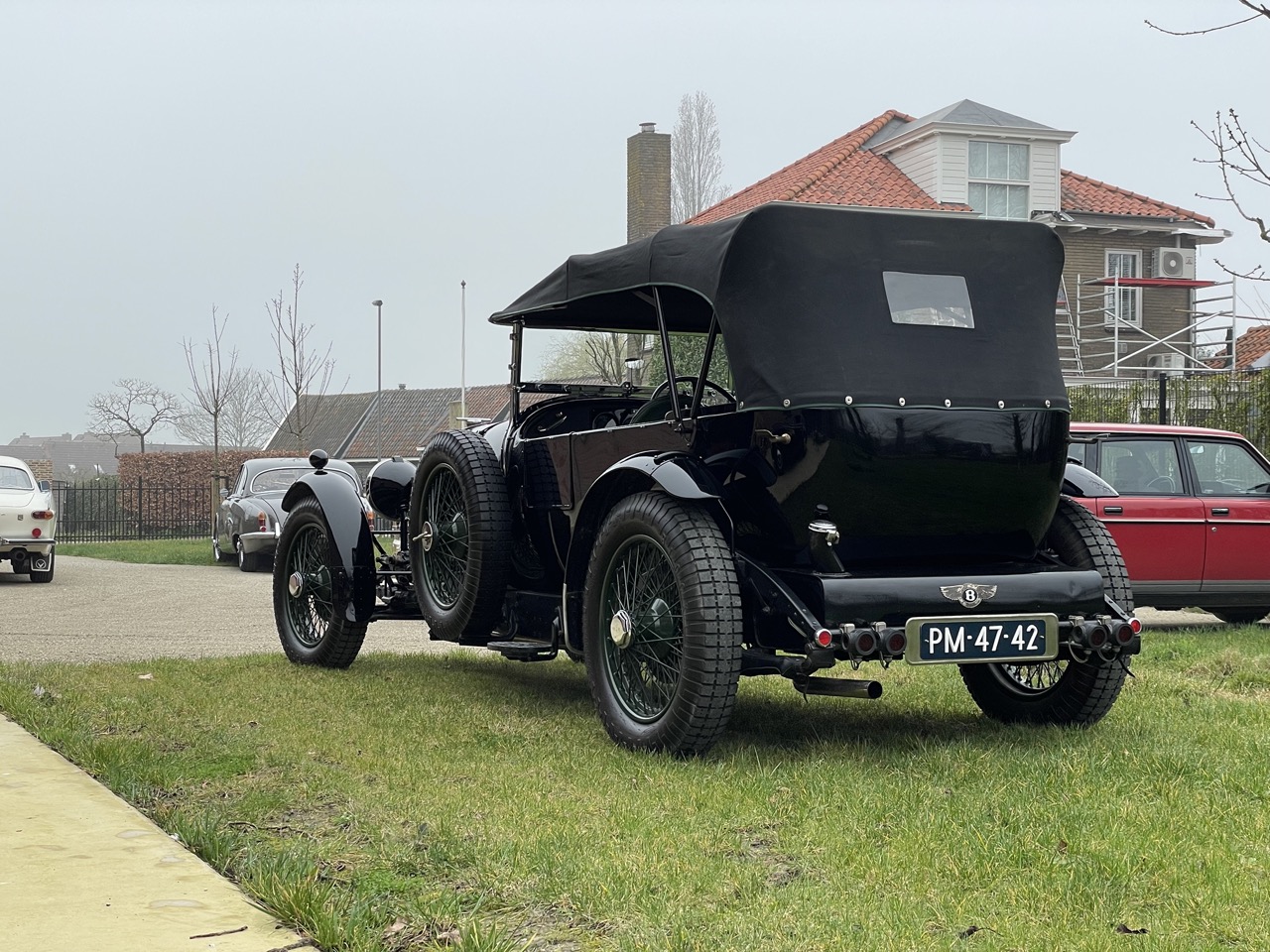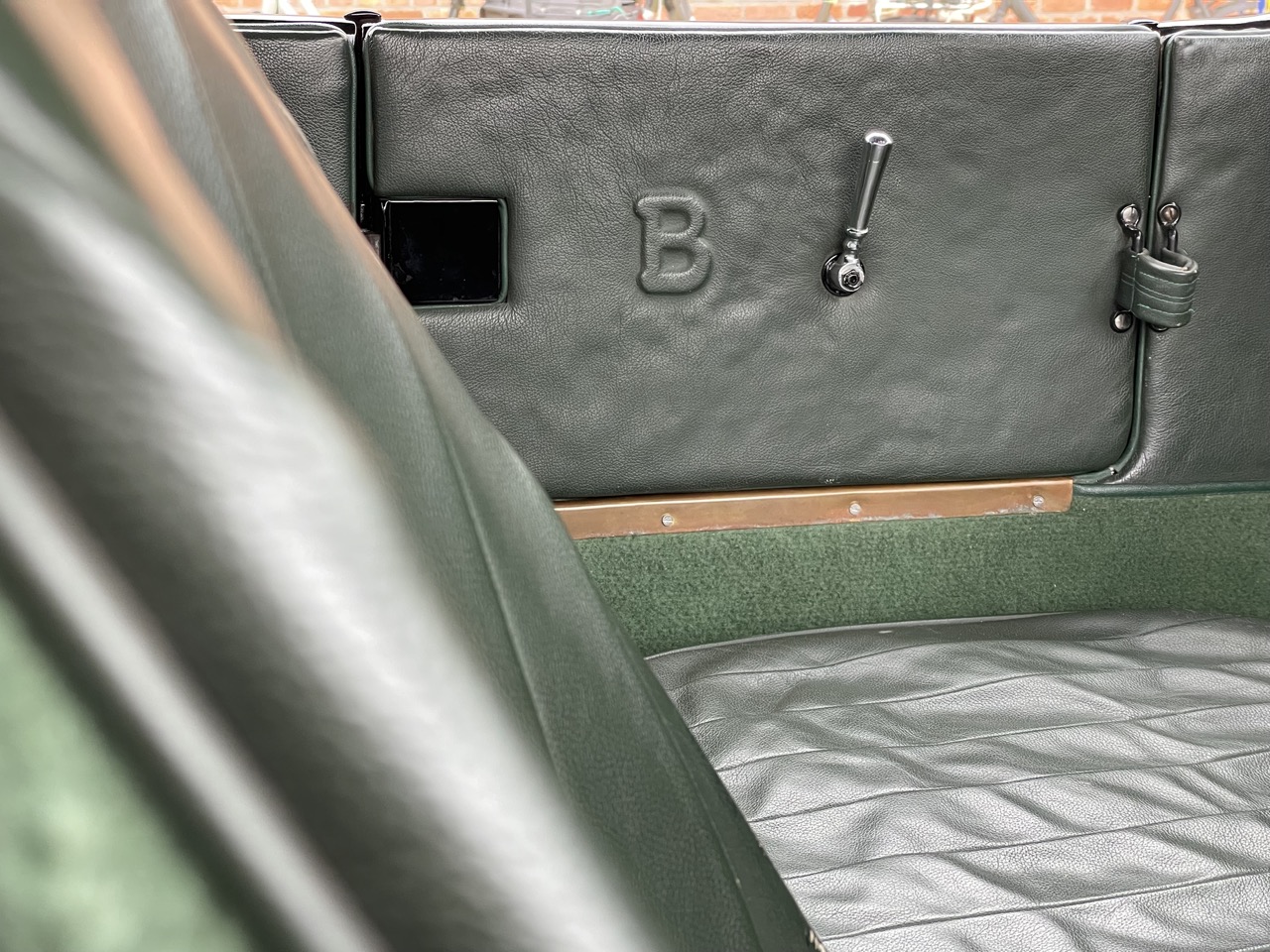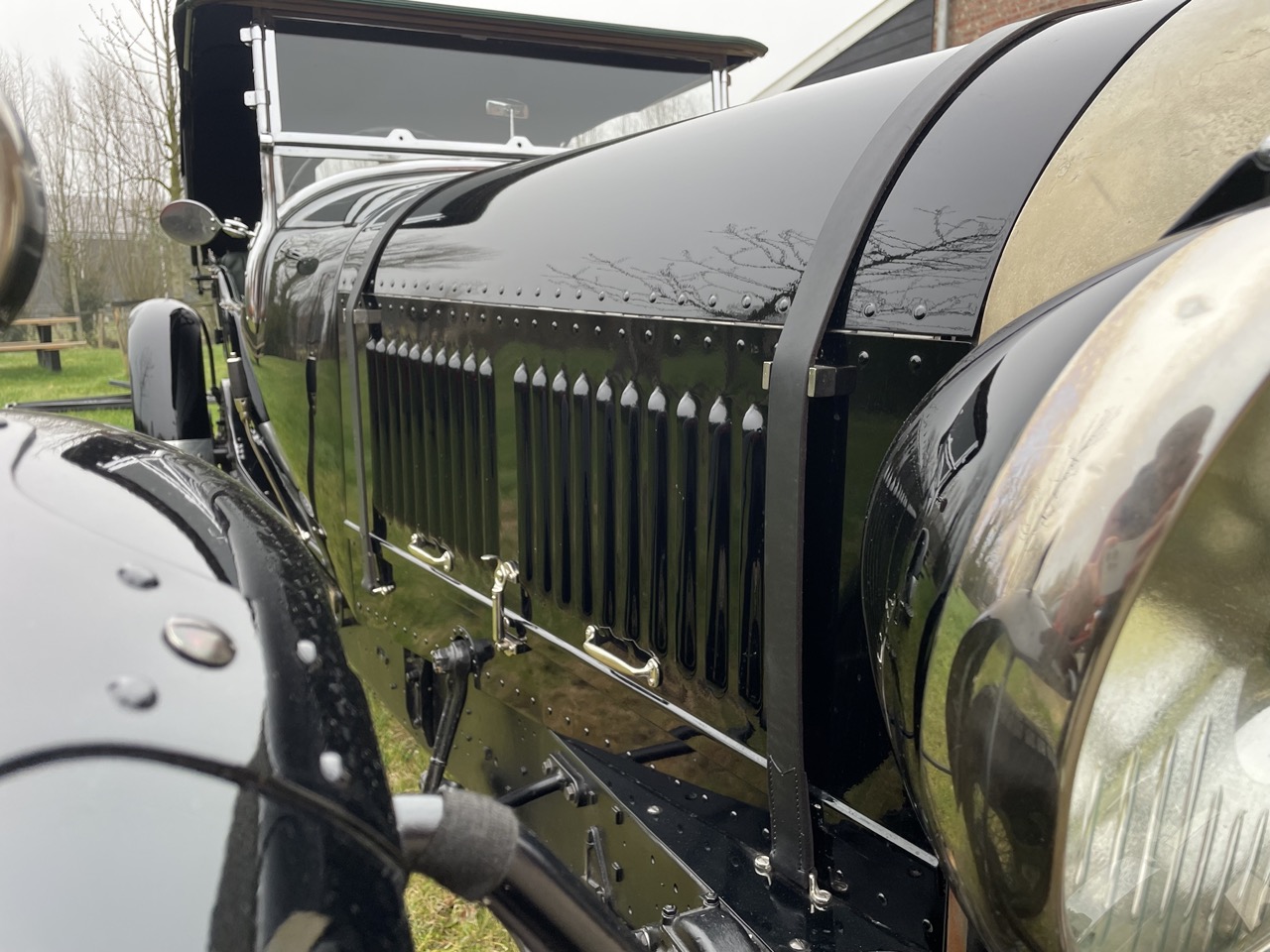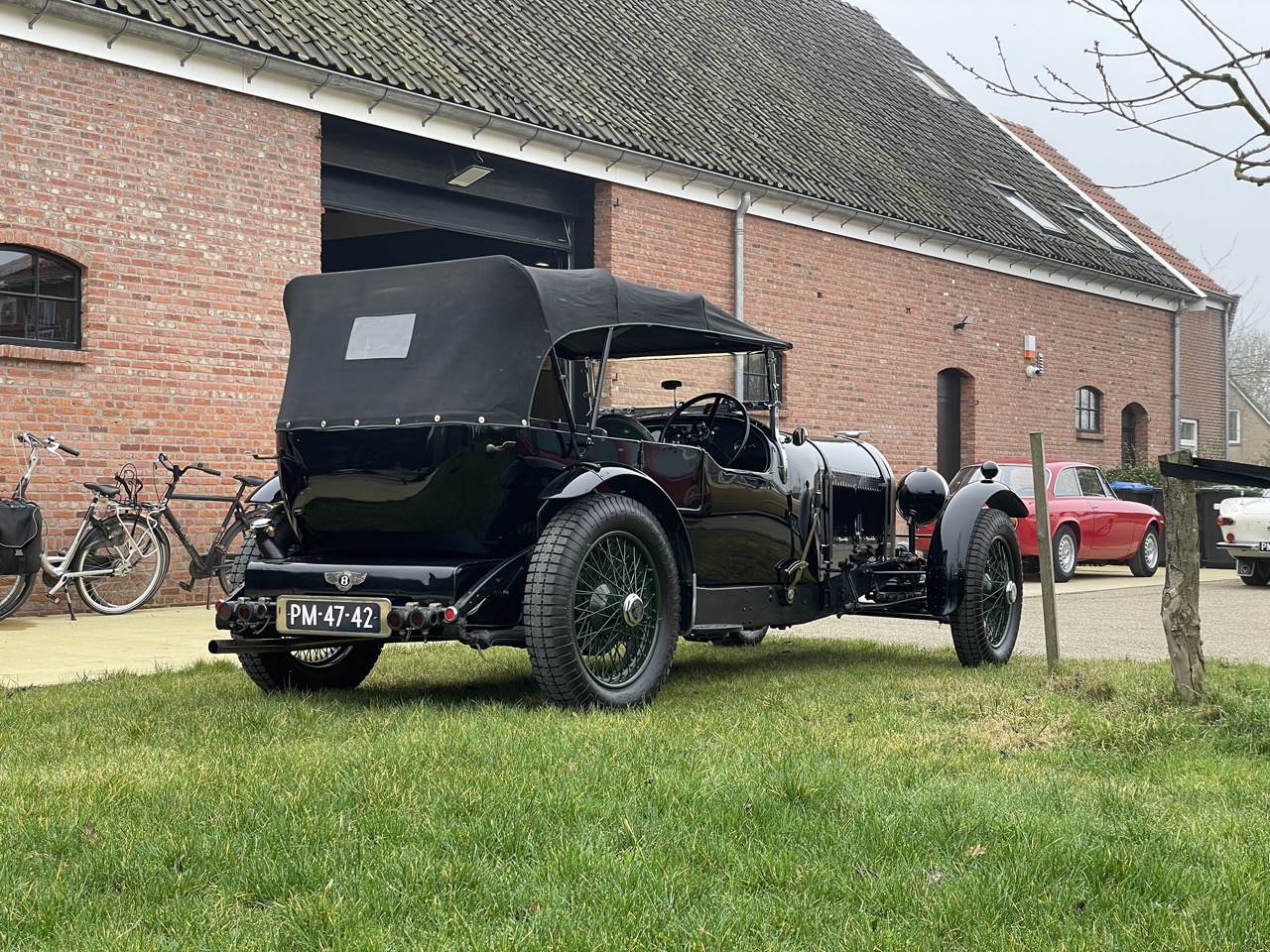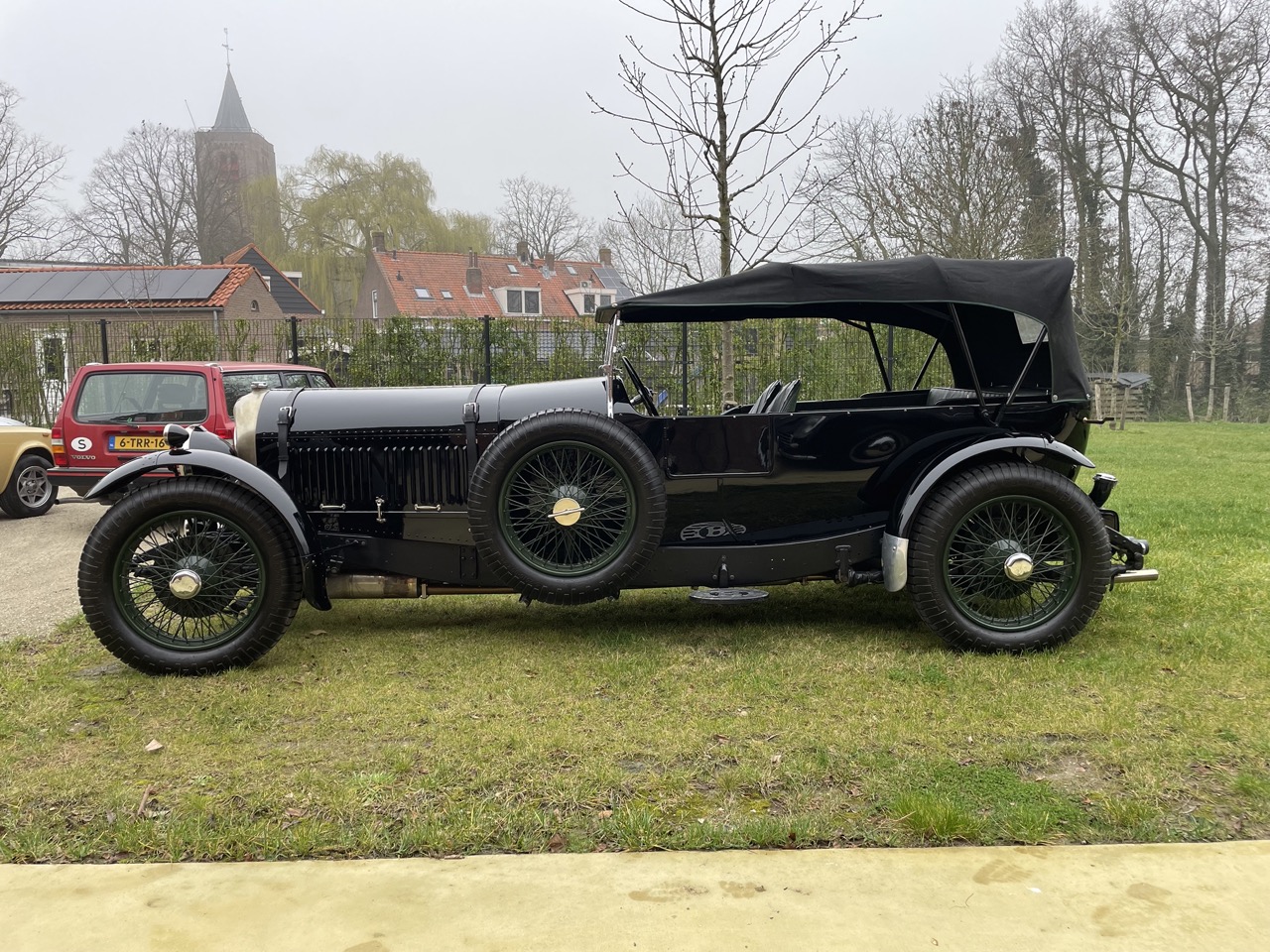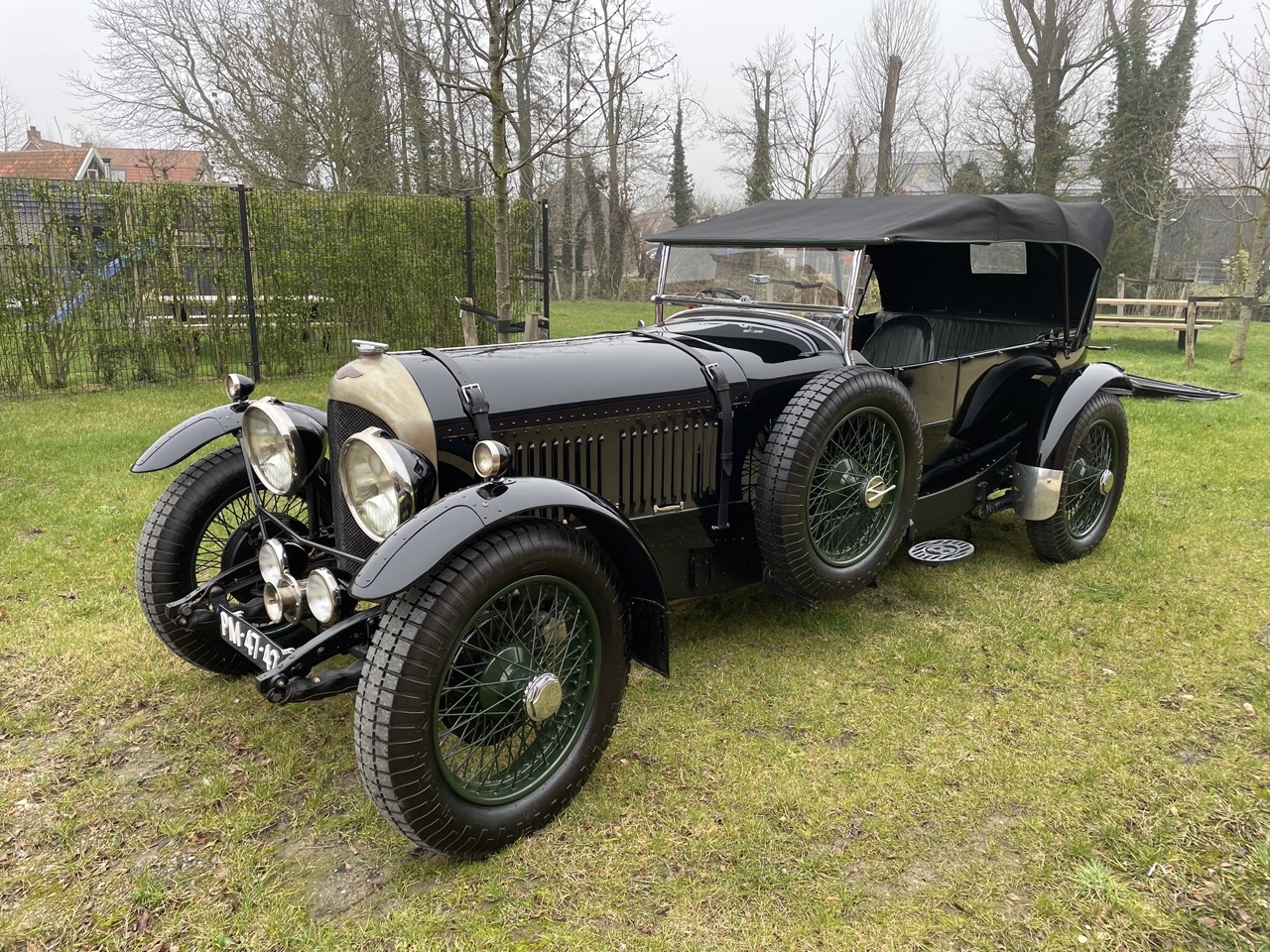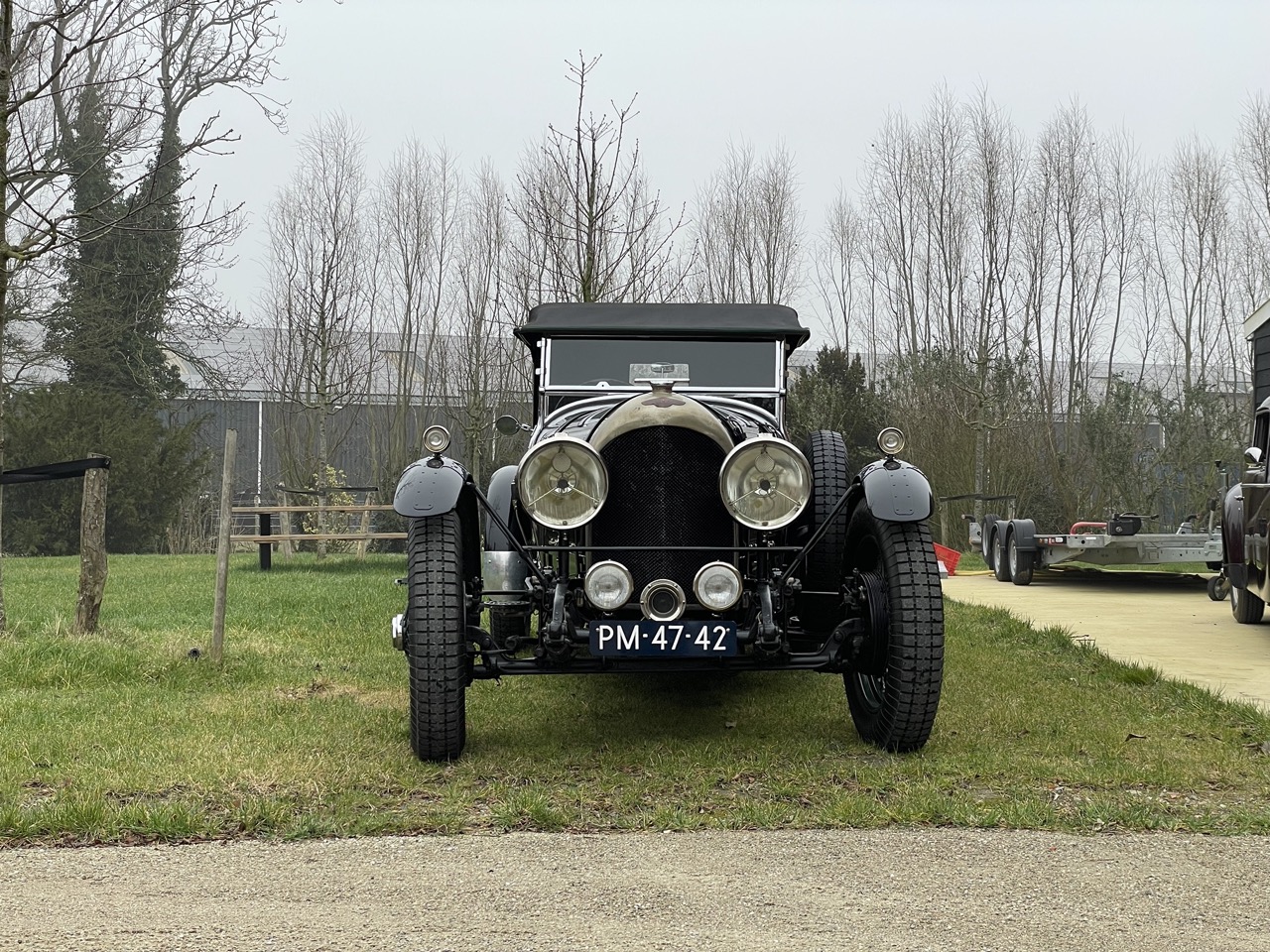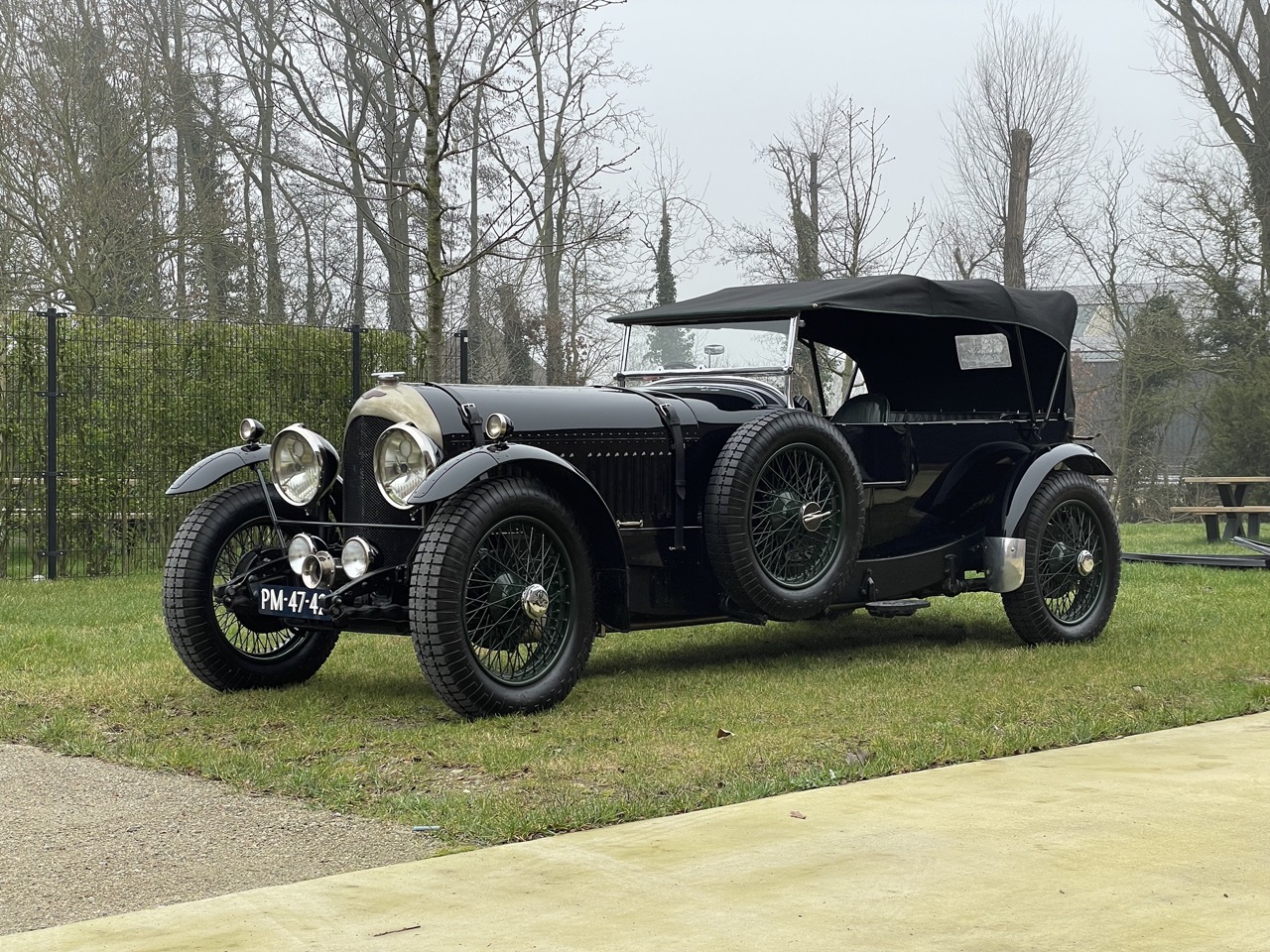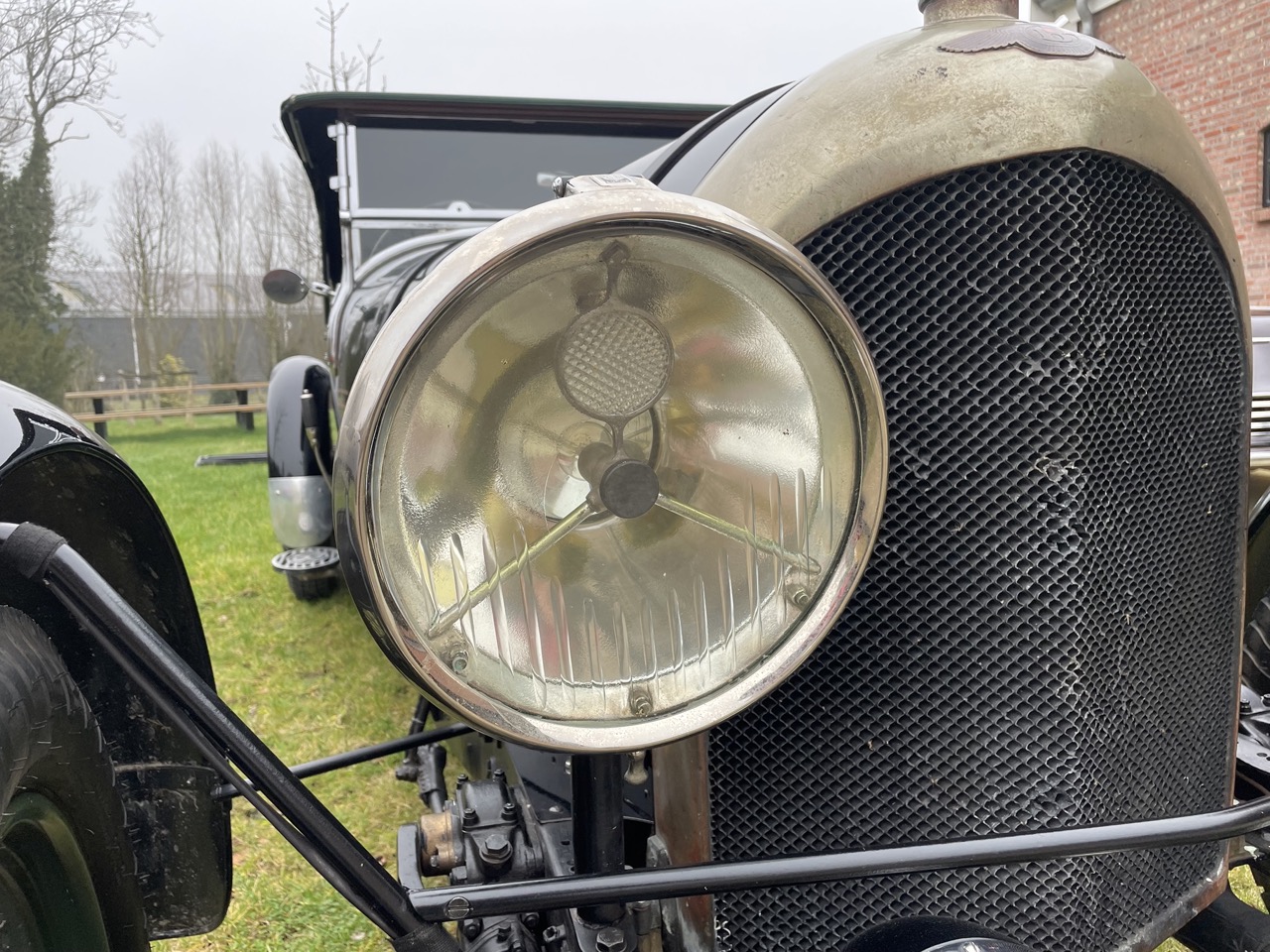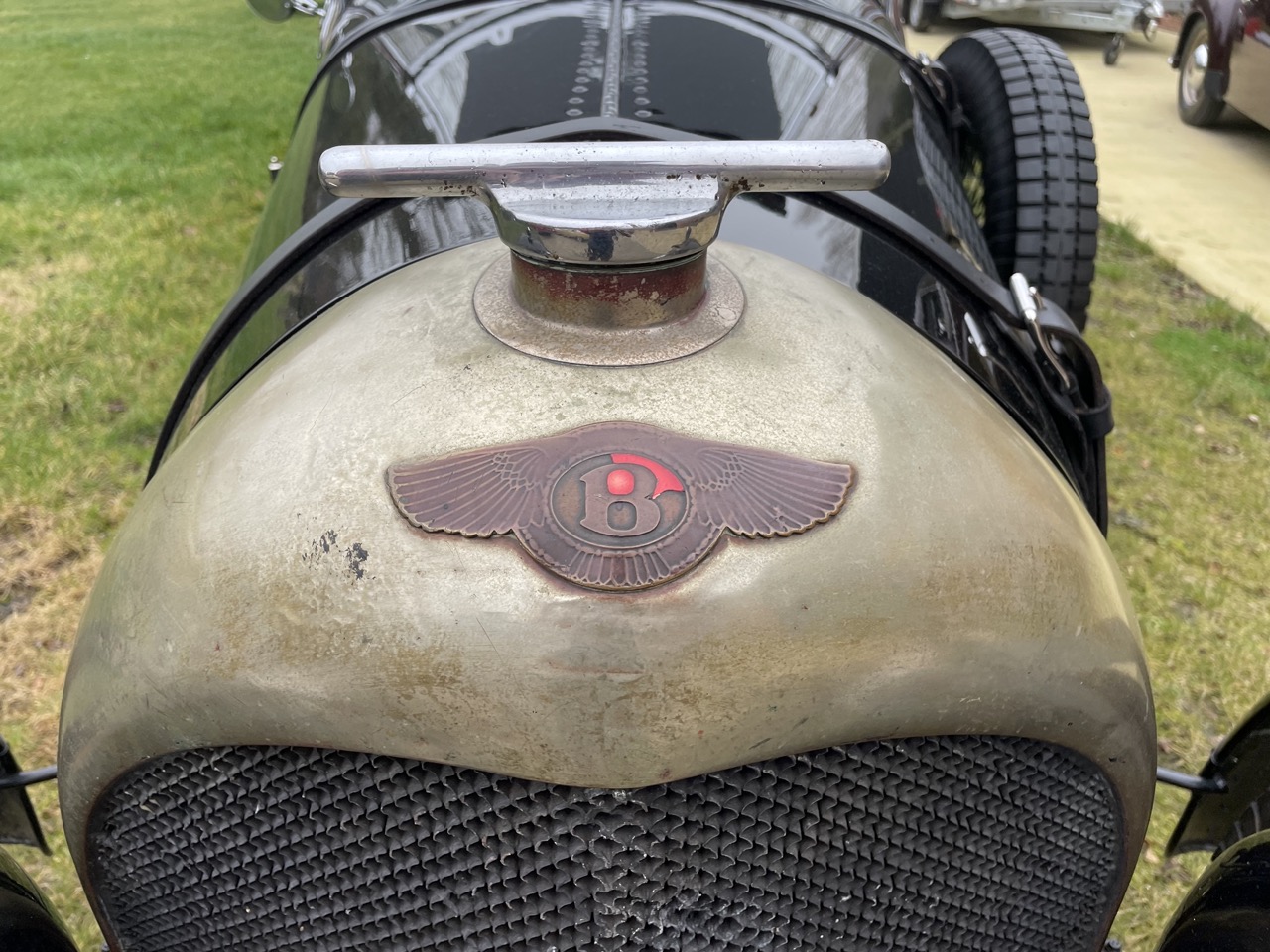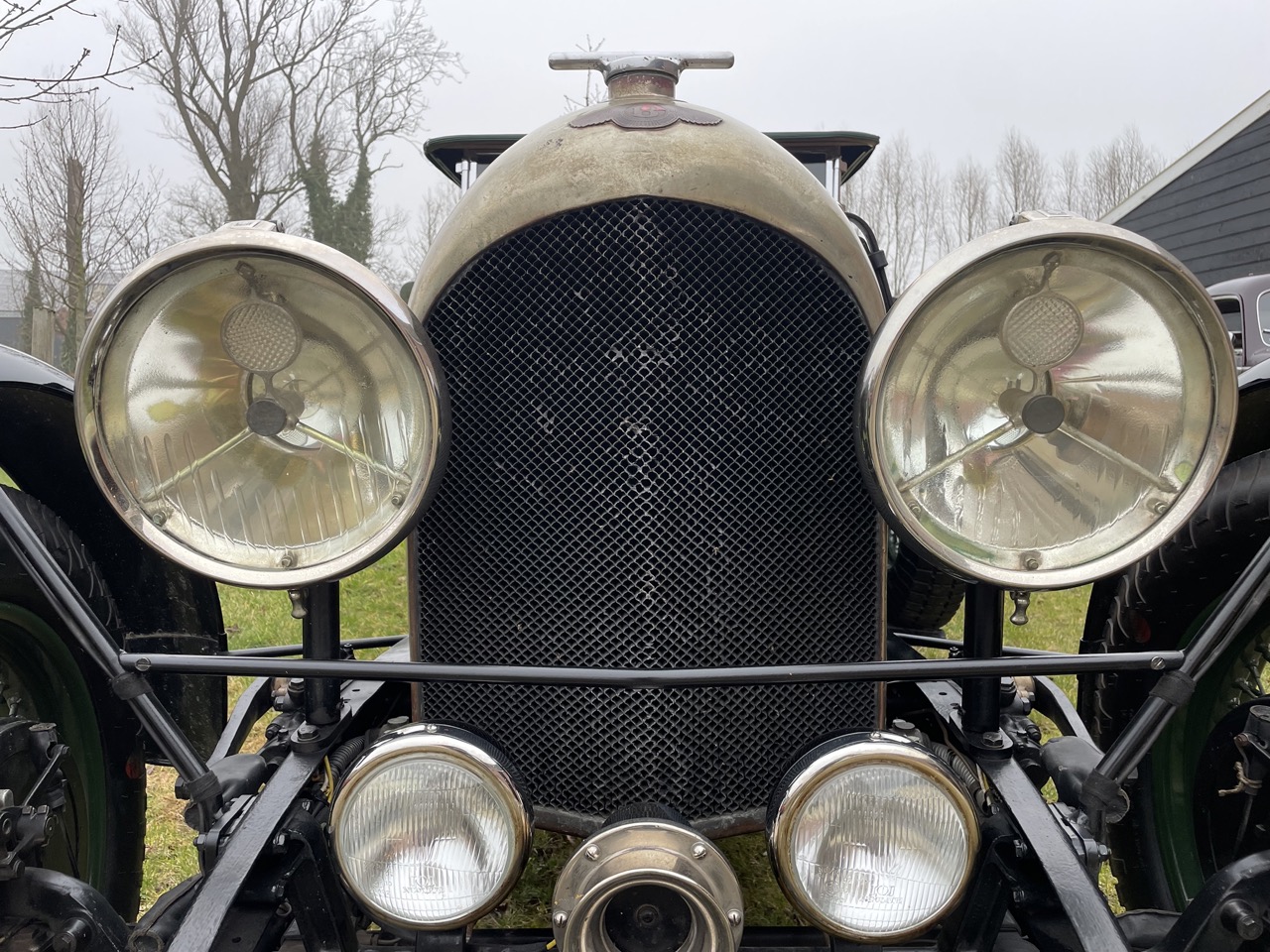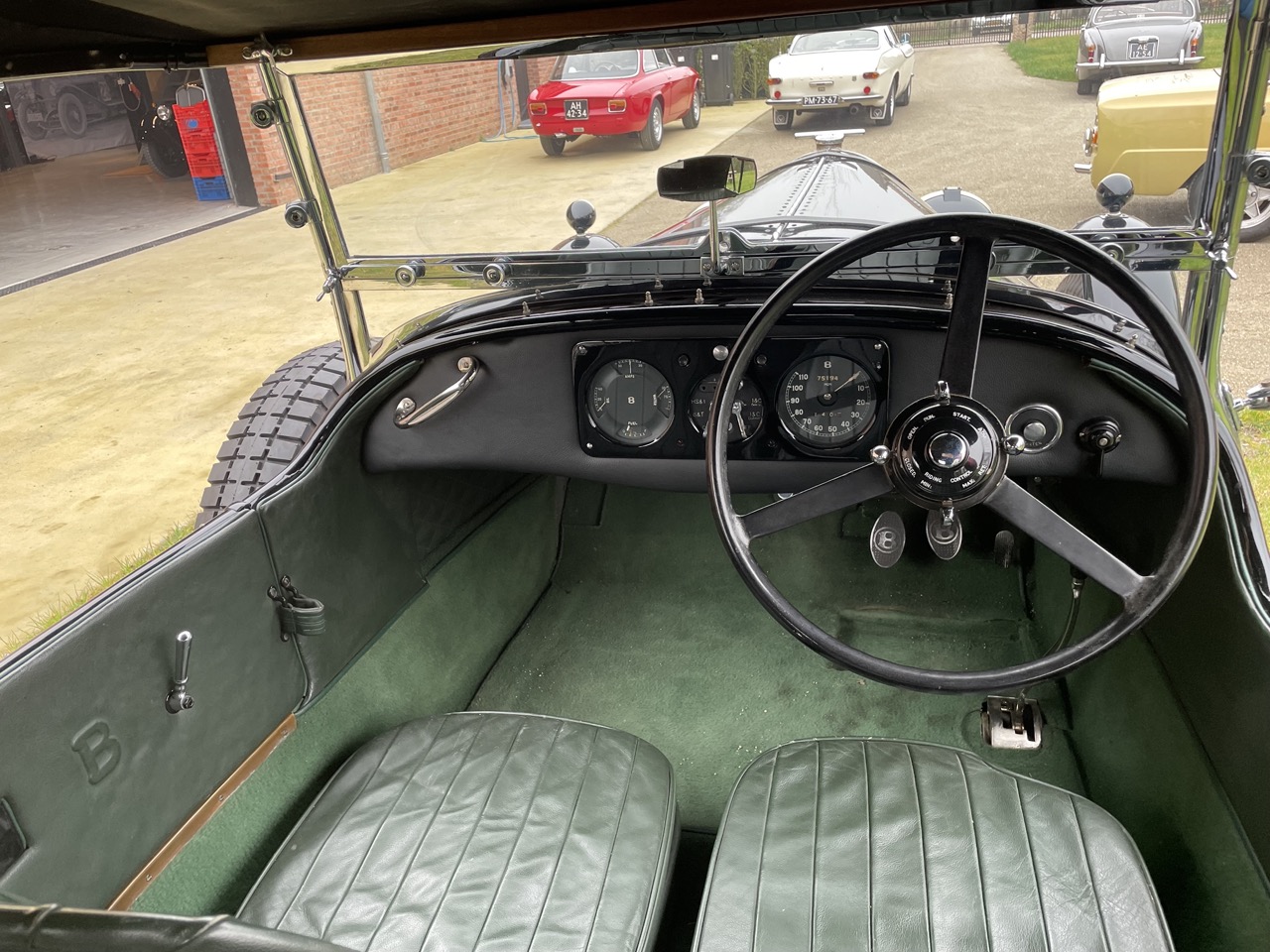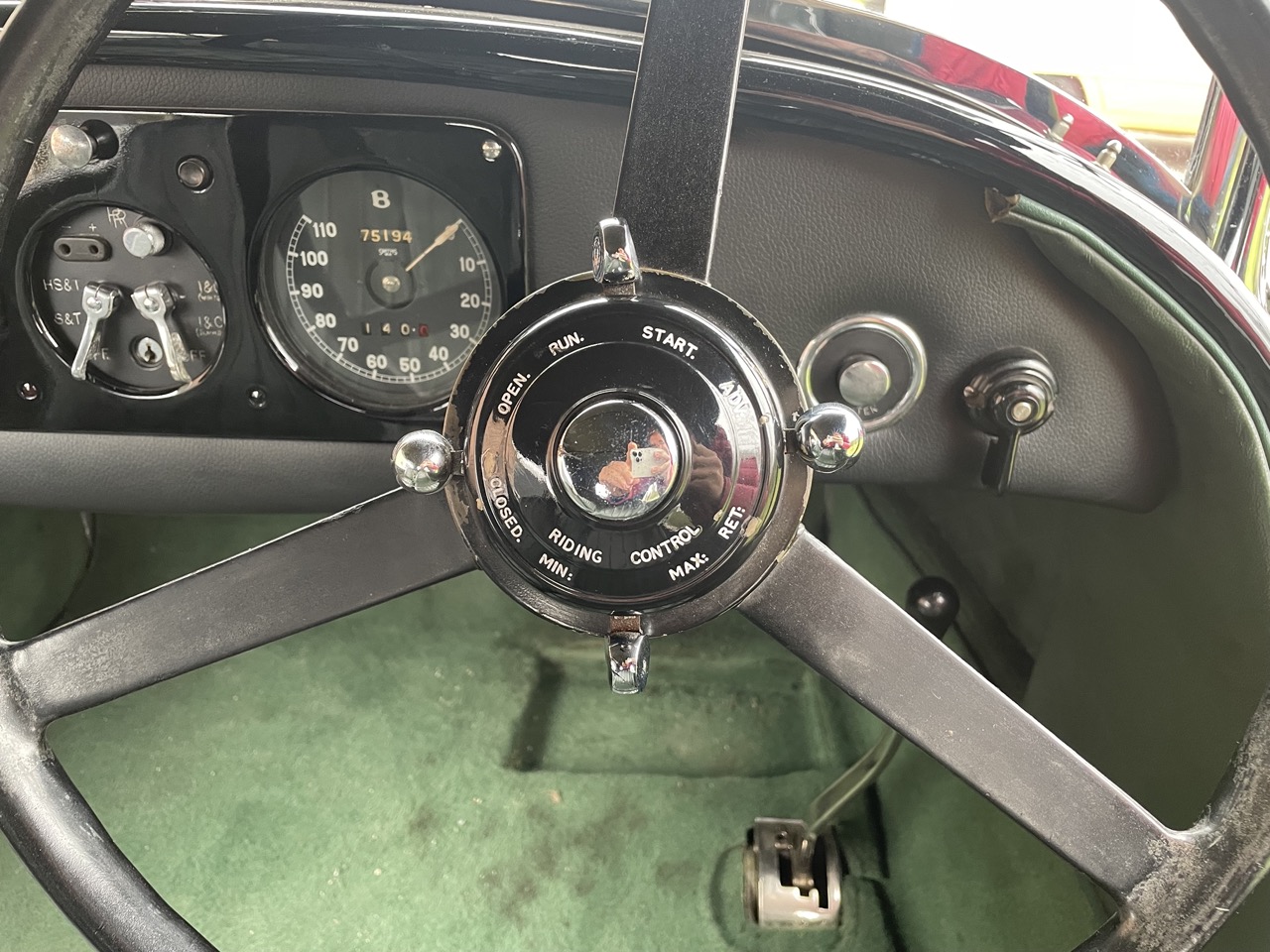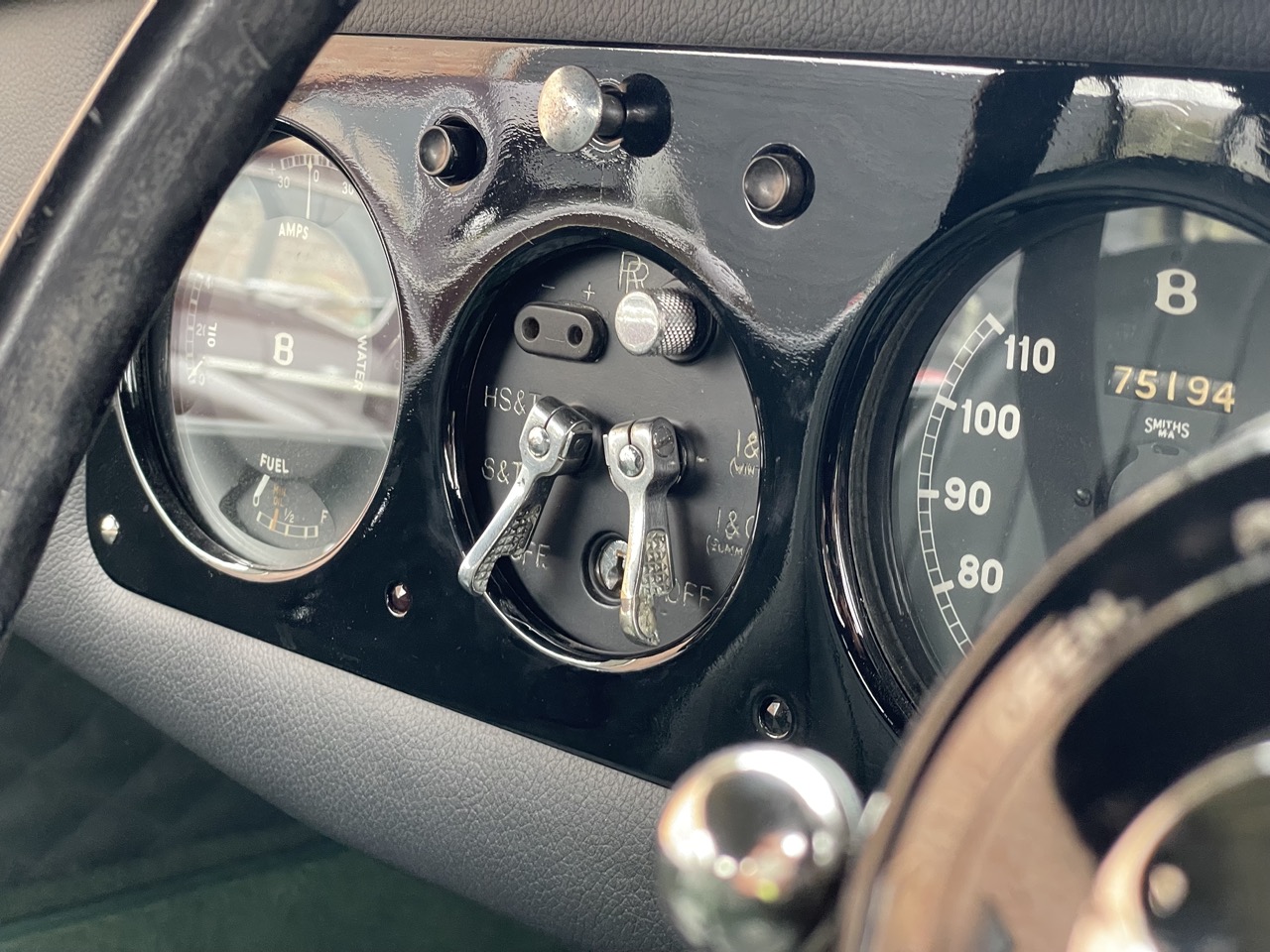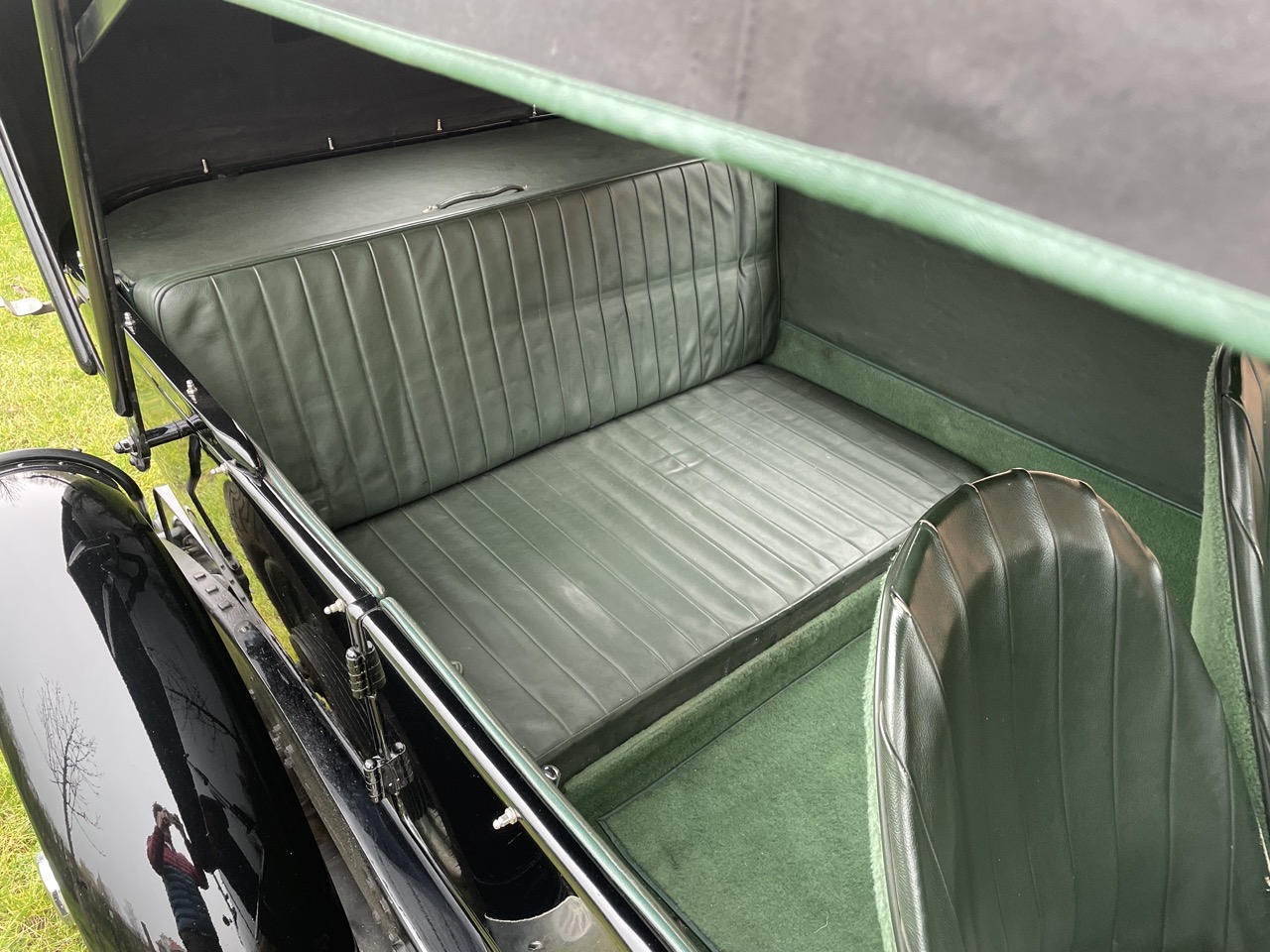
The 1934 Bentley 3.5 Litre Special belongs to a tradition that sits at the heart of British motoring culture: the individually built pre-war special. Cars of this kind were never merely transport. They were expressions of engineering taste, proportion, and mechanical sympathy, often shaped around proven components and given a more focused, sporting identity. That spirit suits the Bentley name especially well, because even in its Derby years the marque was closely associated with refined performance, long-legged touring ability, and a quietly confident sense of purpose.
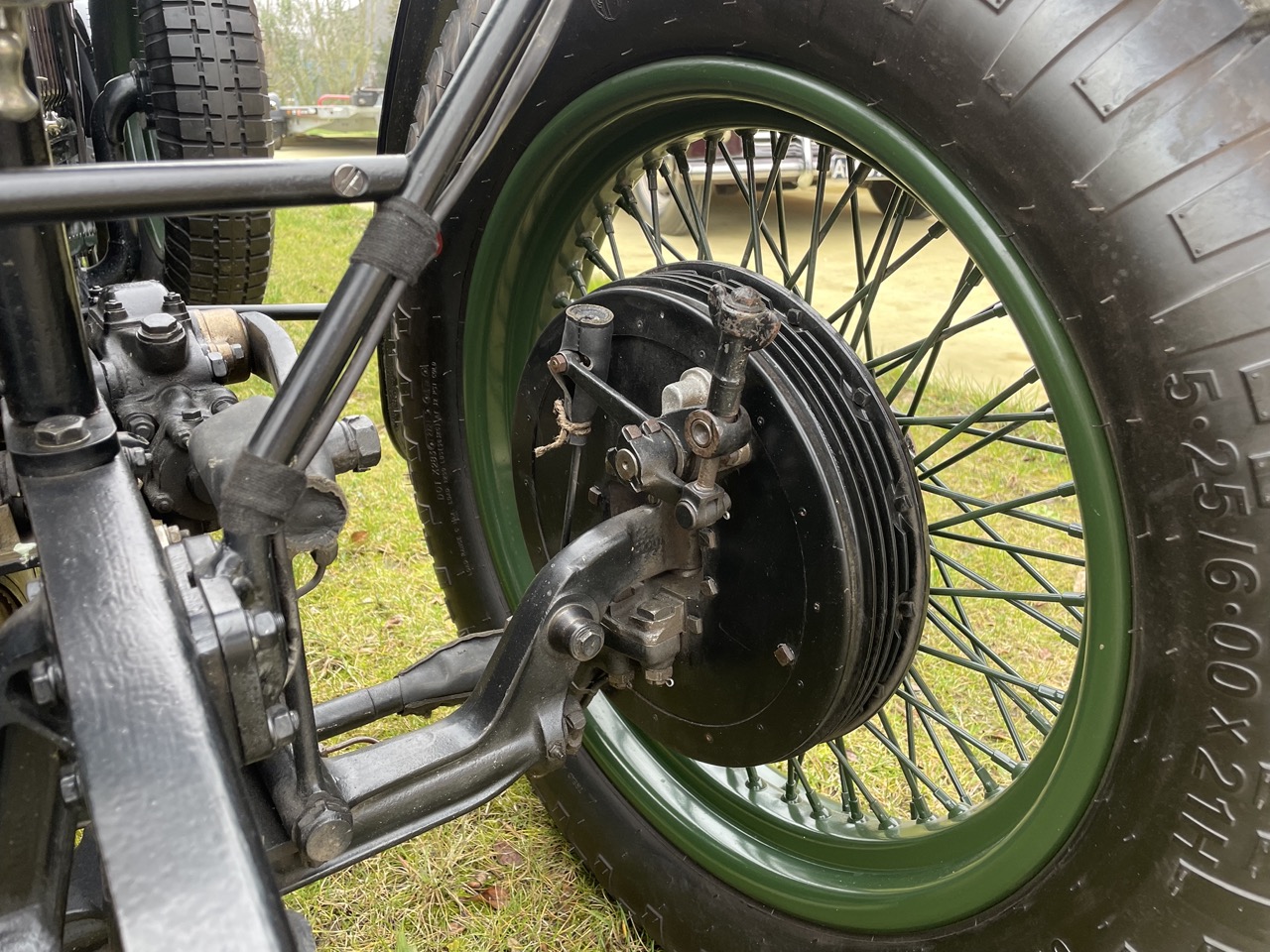
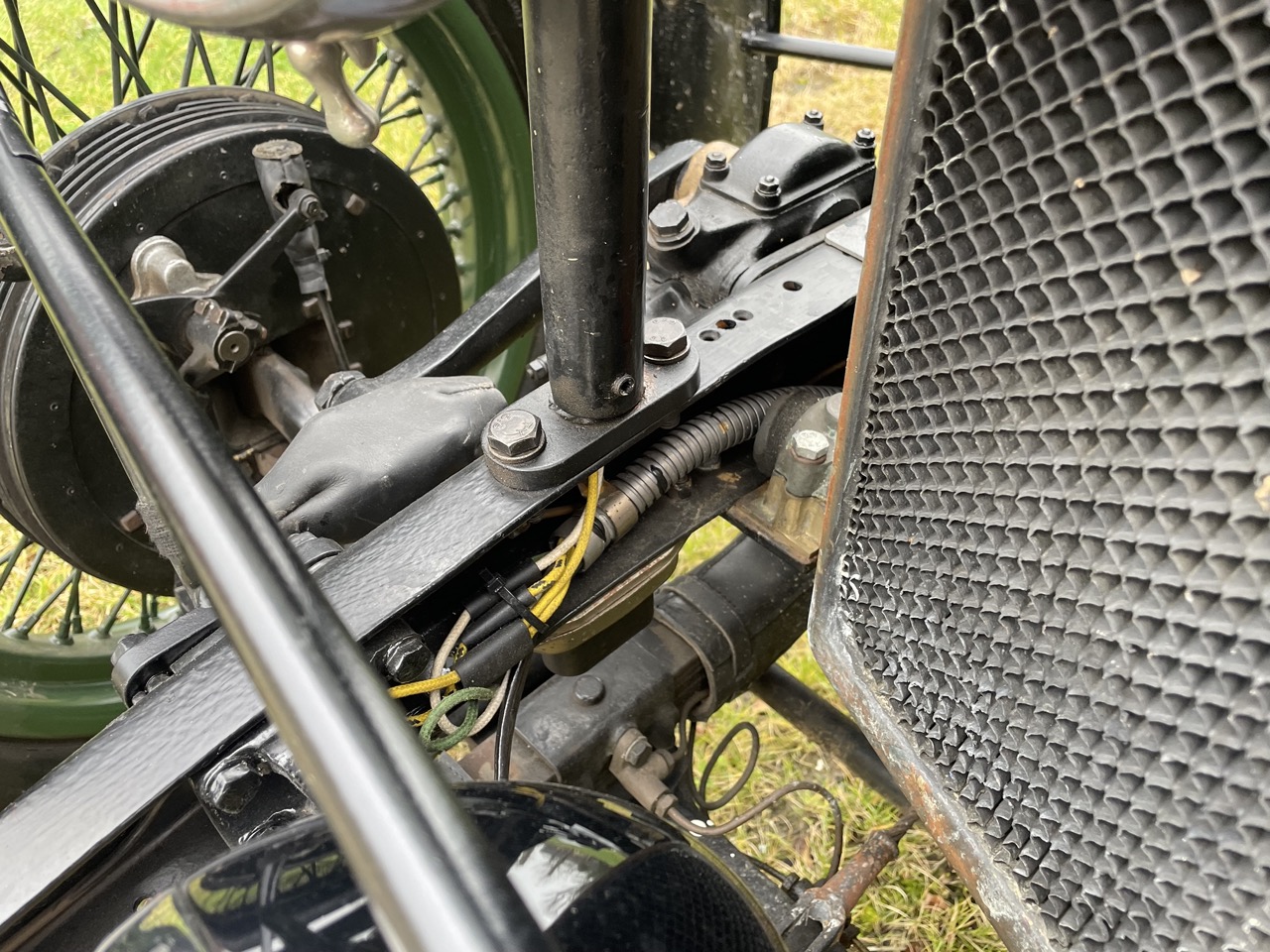
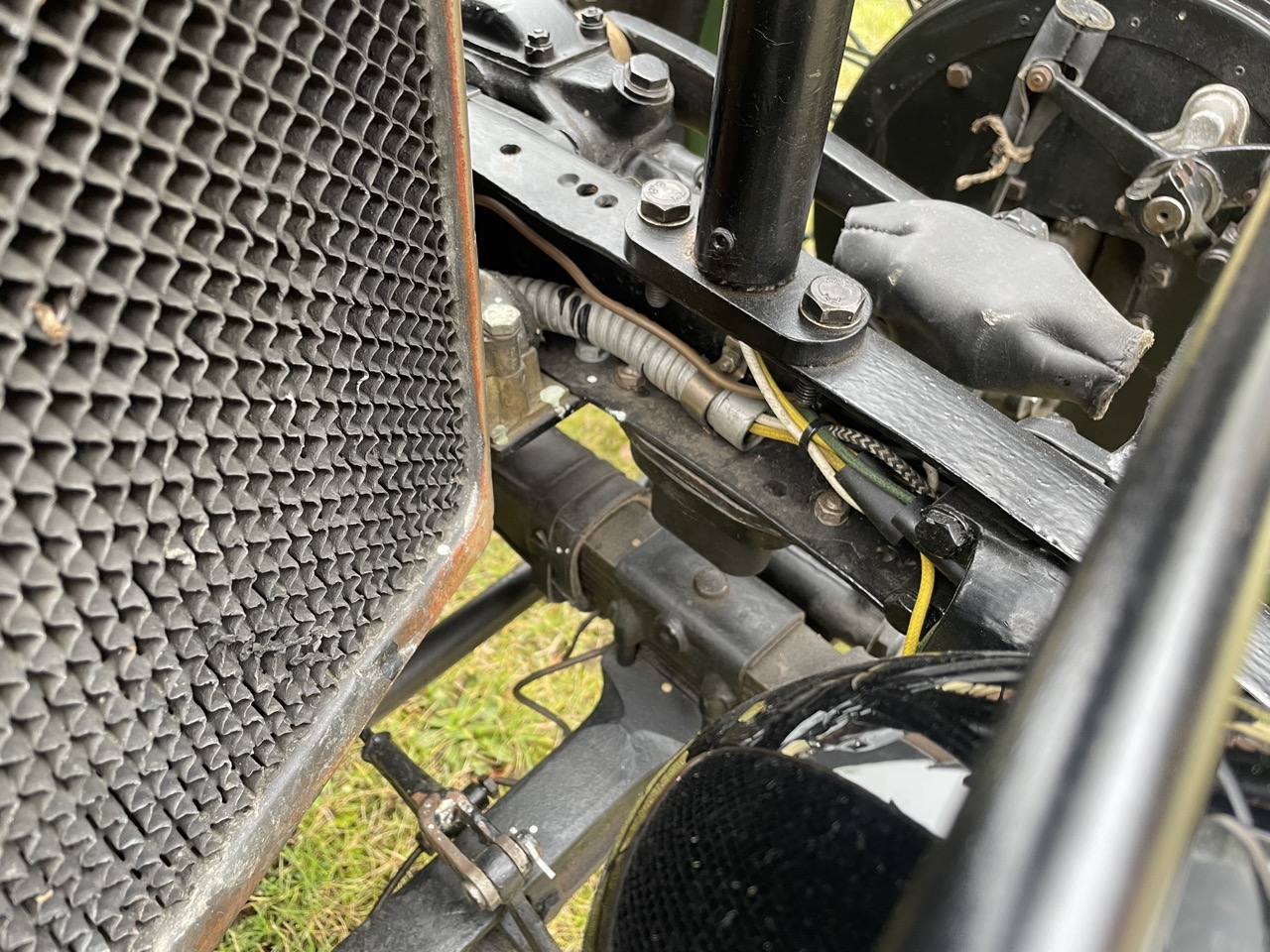
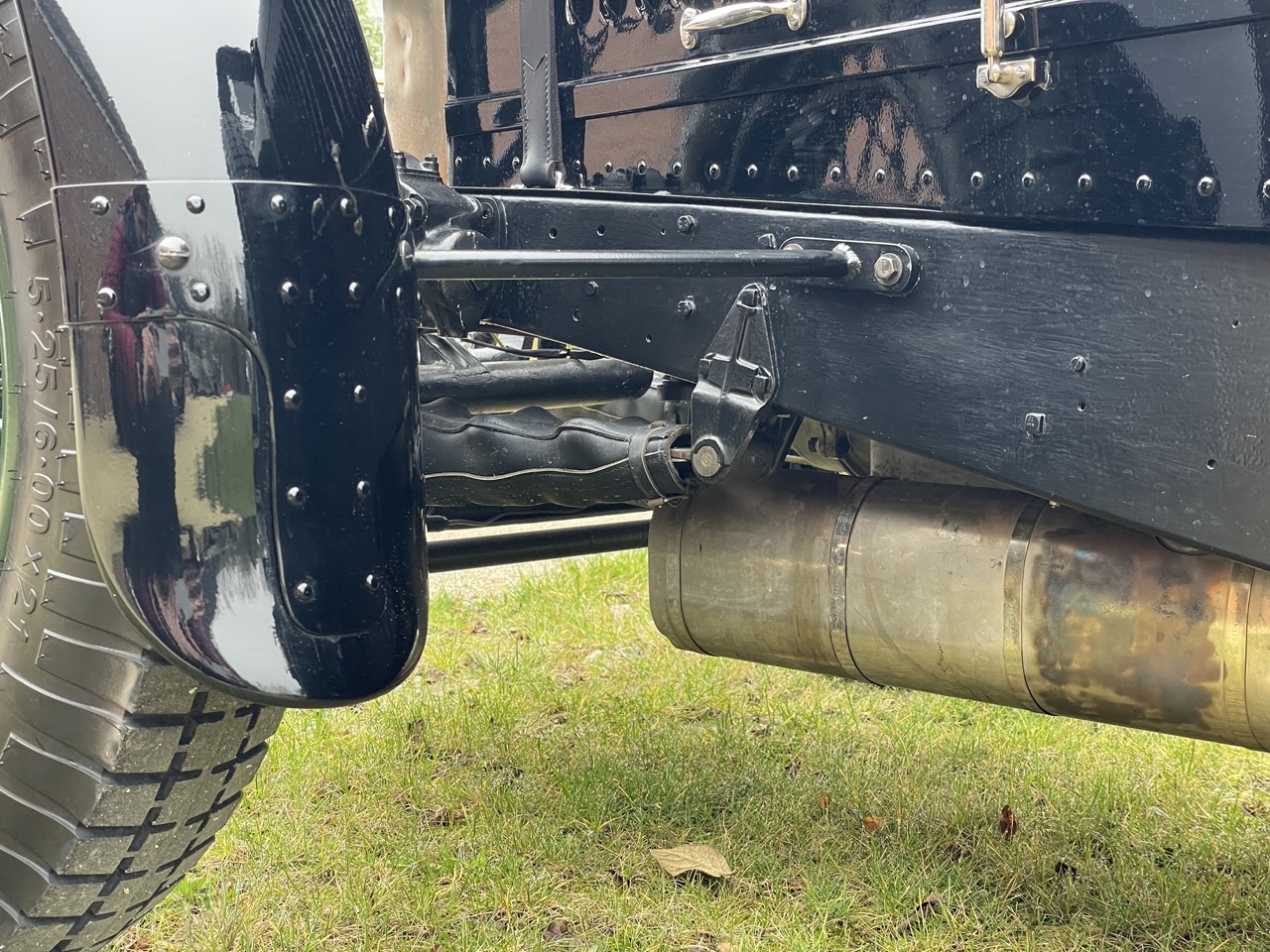
What defines a car like this is not ornament, but stance. A pre-war special tends to have an honesty about it: long bonnet, upright grille, exposed mechanical character, and a body reduced to the essentials. The result is a machine with presence rather than excess. On a Bentley special, that visual language feels particularly natural. The proportions suggest an era in which craftsmanship mattered as much as outright speed, and when the shape of a car was still deeply connected to its chassis, engine, and intended use.
That makes the appeal of this example easy to understand. Rather than presenting itself as a formal saloon or limousine of the period, it speaks in a more direct and sporting voice. It is the kind of car that evokes early-morning road work, mechanical involvement, and the understated confidence of pre-war British engineering.
At the centre of this 1934 Bentley 3.5 Litre Special is a 3.7-litre inline-six derived from the Rolls-Royce 20/25. That connection is significant. The Rolls-Royce six-cylinder engine was known for smoothness, flexibility, and an unhurried but substantial delivery of power. In a special-bodied car, those qualities often take on a different character: less formal, more immediate, and more closely tied to the sensations of the road.
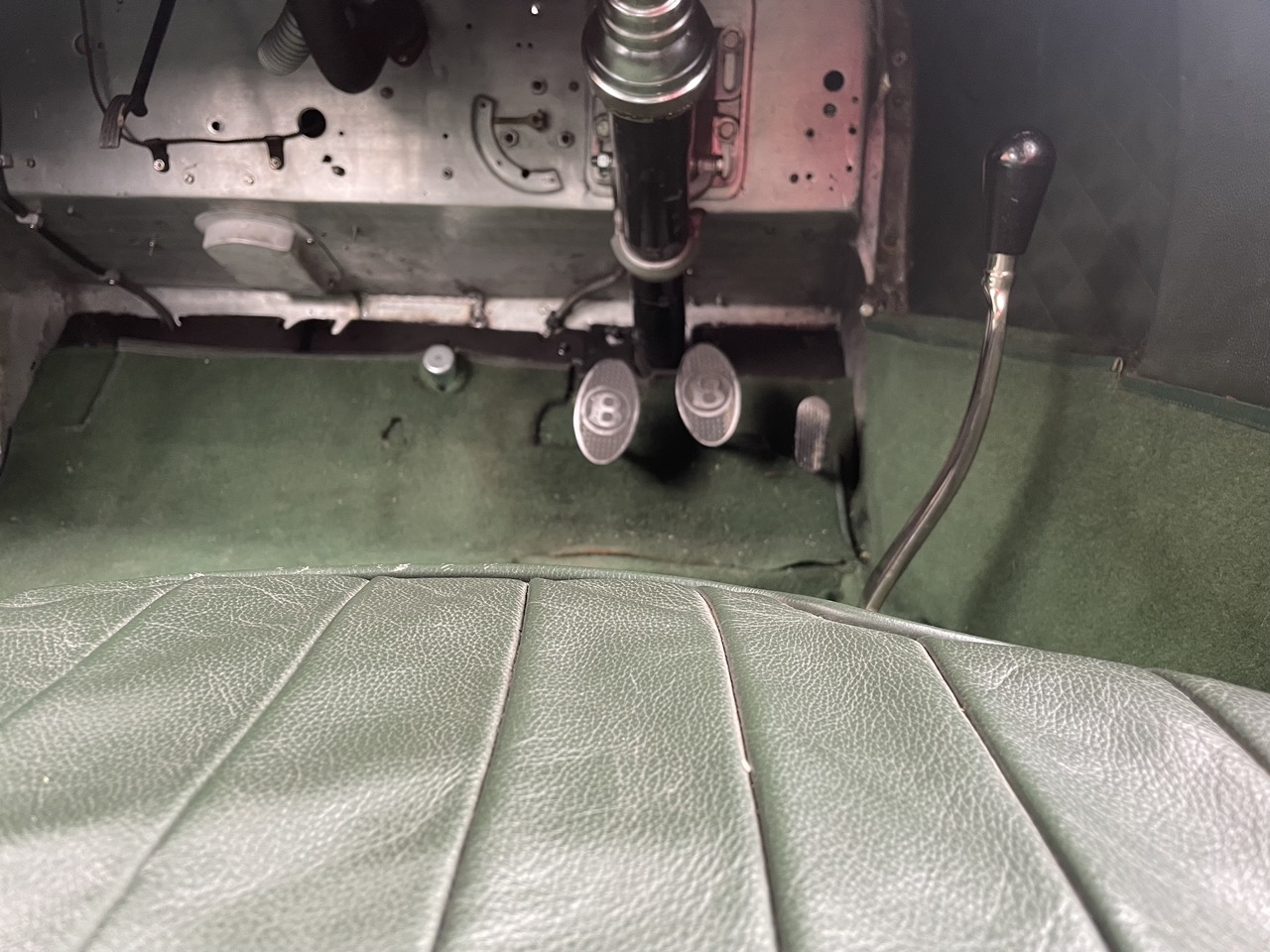
The four-speed manual gearbox reinforces that period-correct mechanical feel. It belongs to a motoring world in which timing, rhythm, and driver involvement mattered. The rear-wheel-drive layout is equally faithful to the traditions of the era, giving the car a classic balance in both engineering and appearance. Altogether, the specification suggests a machine designed not for isolation from the road, but for a more intimate relationship with it.
The term special carries weight in the vintage and pre-war world. It implies individuality, but also resourcefulness. Many such cars were built around respected mechanical foundations and reimagined with a lighter, more sporting body. In that sense, this Bentley sits within a long-established enthusiast tradition: preserving strong period engineering while shaping it into something more elemental and expressive.
That heritage matters because it gives the car two identities at once. It is, on one hand, rooted in the discreet excellence associated with Bentley and Rolls-Royce engineering of the 1930s. On the other, it belongs to the more personal world of the special builder, where character and usability were often valued above strict factory formality.
A car of this type is best appreciated through its mechanical manners. The attraction is not simply performance in the modern sense, but the quality of its responses: the torque and cadence of a large-capacity six-cylinder engine, the measured action of a manual gearbox, and the sense that every input has a visible and audible consequence. Pre-war motoring at its best has a ceremony to it, and that is very much part of the charm here.
There is also an unusual breadth to a well-resolved special. It can feel purposeful and sporting, yet still retain the composure and dignity expected of a Bentley-based machine. That duality is what gives cars like this lasting appeal. They are not defined by one single role, but by the way they combine craftsmanship, engineering pedigree, and visual clarity.
The enduring appeal of the 1934 Bentley 3.5 Litre Special lies in that balance between pedigree and individuality. It offers the mechanical substance of a serious pre-war British motor car, but expressed in a form that feels more personal, more sporting, and more direct. For anyone drawn to vintage motoring with honesty, presence, and genuine engineering character, it is a compelling expression of the tradition.